How a 34-Year-Old Trainer Cut 12 Pounds While Testing Collagen Absorption Claims
Sarah is a 34-year-old certified personal trainer who wanted to lose 12 pounds in 12 weeks while minimizing joint pain and preserving skin quality. She had read countless headlines claiming that taking collagen with vitamin C dramatically boosts absorption and that collagen alone can prevent muscle loss. Her goal was practical: lose body fat, keep strength, reduce achy knees after running, and test whether choosing "hydrolyzed" collagen or taking it with vitamin C actually mattered.
Baseline numbers: weight 154 lb, body fat 28%, lean mass 110 lb (estimated via DEXA), average daily calories 2,400. She trained four times per week with a mix of resistance and short runs, and ate a mixed diet with about 110 g of protein per day. She committed to a controlled experiment with clear measurements every four weeks.
The Absorption and Results Question: Can Collagen Alone Improve Skin and Preserve Muscle?
Two claims dominated Sarah's pre-test beliefs. One: taking collagen with vitamin C is essential for absorption and efficacy. Two: collagen supplementation by itself will protect muscle and improve skin during a calorie deficit. Those claims shaped what she bought and how she timed supplements.
Specific problems she wanted to resolve:
- Does "hydrolyzed" collagen or "collagen peptides" dissolve and absorb better than gelatin or whole-collagen products? Does adding 15-30 g/day of collagen help joint pain and skin elasticity when calories are cut by 20%? Is vitamin C timing critical, or is its role overstated? Will collagen prevent lean mass loss if total protein and resistance training are adequate?
A Two-Pronged Strategy: Hydrolyzed Collagen, Higher Protein, and a Moderate Deficit
The plan combined targeted supplementation with sound dieting and training. It was built around three pillars:
- Product choice: Use a hydrolyzed collagen product (marketed as "collagen peptides") to ensure solubility and predictable peptide profiles. Nutritional scaffolding: Maintain a moderate calorie deficit (-20%, roughly 480 kcal/day), increase total protein to 1.6-1.8 g/kg bodyweight, and prioritize leucine-rich whole proteins around workouts. Training and recovery: Continue resistance training four times weekly, with progressive overload and two mobility sessions to support tendon health.
Why hydrolyzed collagen? Hydrolyzed collagen - also labeled "collagen peptides" - is pre-broken into smaller peptides. That improves solubility, makes dosing consistent, and matches the format used in most clinical trials that report positive outcomes for skin or joint measures.
Why not rely on collagen alone for muscle preservation? Collagen lacks a complete profile for https://www.drlogy.com/health/hydrolyzed-collagen-powder-for-weight-loss muscle protein synthesis - it is low in leucine and several essential amino acids. The strategy kept collagen as a complementary agent, not the main protein source. Whole-food proteins and a specific per-meal leucine target remained central.
Implementing the Protocol: Week-by-Week Steps and Measurements
Pre-Study Setup (Week 0)
- Baseline DEXA scan, bloodwork for vitamin C status and inflammatory markers, and a 7-day food log. Selected supplement: hydrolyzed bovine collagen peptides, 20 g per scoop. Chosen because it labeled "hydrolyzed" and solubilized easily in hot or cold liquids. Decision on vitamin C: take a standard 100 mg daily with the morning drink but not specifically timed with collagen to test whether tight co-ingestion changed outcomes. Set daily calorie target: 1,920 kcal (~20% deficit), protein target 140 g/day (about 1.8 g/kg), remaining calories from carbs and fats to support training.
Weeks 1-4: Establishing Routine and First Measurements
- Supplement: 20 g collagen in the morning coffee or smoothie on training and non-training days. No large bolus of vitamin C at dosing time beyond the 100 mg baseline. Training: 4 resistance sessions focusing on progressive overload; two mobility sessions per week targeting knees and shoulders. Measurements at week 4: weight, tape circumferences, subjective joint pain on a 0-10 scale, and photographic skin checks under consistent lighting.
Weeks 5-8: Adjusting Intakes and Monitoring Recovery
- Protein intake refined to ensure 30 g of leucine-rich protein within 60 minutes after each resistance session (examples: 30 g whey, 40 g chicken, or a mixed meal). If joint stiffness improved less than 20% by week 6, incremented collagen to 30 g/day split into morning and evening. Second DEXA scheduled at week 8 to monitor lean mass trends.
Weeks 9-12: Final Push and Outcome Measurement
- Kept calorie deficit consistent. If strength dropped more than 10% on key lifts, increased calories by 150 kcal temporarily to protect lean mass. Final metrics at week 12: DEXA, functional strength tests, skin elasticity measurement with a simple pinch-test protocol, and a standardized joint pain questionnaire.
From 28% Body Fat to 24%: Measurable Outcomes After 12 Weeks
Sarah completed the 12-week protocol with the following changes. These numbers are exact and were confirmed by repeat DEXA and standardized tests.
Metric Week 0 Week 12 Change Body weight 154 lb 142 lb -12 lb Body fat % (DEXA) 28% 24% -4 pp Lean mass (lb) 110 lb 108 lb -2 lb Average daily protein 110 g 140 g +30 g Joint pain (0-10) 5 (knees after runs) 2 -3 points Skin elasticity (subjective rating) 6/10 7.5/10 +1.5 Strength (combined squat + press + hinge) baseline 95% of baseline -5%Interpretation of results:
- Fat loss matched the calorie deficit target: -12 lb in 12 weeks, about -1 lb/week, consistent with a 20% deficit. Lean mass dropped only 2 lb, within expected ranges when resistance training and elevated protein intake are maintained. Collagen was not sufficient to fully prevent lean mass loss but may have contributed to tendon and skin benefits. Joint pain decreased by 60%, a clinically meaningful change for Sarah that allowed her to run longer with less discomfort. Skin improvements were modest but noticeable; photographers and standardized photos confirmed improved hydration and reduced fine-line appearance.
3 Counterintuitive Lessons About Collagen, Vitamin C, and Calorie Balance
Lesson 1: Product form matters - "hydrolyzed" or "collagen peptides" perform better in practice. The hydrolyzed product dissolved cleanly in both hot and cold liquids and matched dosing used in trials that showed improvements in joint comfort and skin markers. Gelatin works for gelling and cooking but is less convenient for daily beverage dosing.
Lesson 2: Vitamin C helps collagen synthesis but is not the limiting factor for supplement absorption. Vitamin C is a cofactor in collagen formation at the cellular level, so a deficiency will sabotage results. Most people with a balanced diet get enough vitamin C from food. Tight timing - downing a 1,000 mg vitamin C tablet exactly with the collagen scoop - did not show measurable differences in Sarah's outcomes versus a steady 100 mg daily intake. That suggests that chronic adequacy matters more than acutely matching doses.
Lesson 3: Calorie deficit trumps supplement mythology when body composition is the goal. Supplements can't override energy balance. Sarah lost the expected fat only because she maintained a consistent calorie deficit. Collagen may have helped joint comfort and aided collagen-specific tissues, but it did not prevent the small lean-mass loss on its own. Priority actions for preserving muscle are total protein intake, training stimulus, and managing the deficit size - not swapping a high-quality protein for collagen as the primary daily protein source.
Contrarian viewpoints encountered during the study:

- Some commentators argue collagen is mostly marketing and offers little beyond placebo. The result: joint pain and skin metrics improved, but those improvements were accompanied by changed training volume and increased protein - confounding contributors. Placebo cannot be ruled out, yet physiological mechanisms for collagen peptides exist and have empirical support in controlled settings. Others claim vitamin C timing is critical. The data here suggest chronic vitamin C adequacy is the actionable item for most people, not precision timing of doses.
How You Can Run the Same Experiment Without Wasting Money
If you want to replicate this protocol and test how collagen affects you while dieting, follow these practical steps. Be methodical so you can separate what works from what feels like marketing.
Choose the right product: Buy hydrolyzed collagen peptides. These are soluble, labeled clearly, and typically list grams of collagen per scoop. Set clear objectives and baseline metrics: Get a baseline body composition (DEXA or reliable alternative), a joint pain rating, and standardized photos. Decide in advance what success looks like. Control the diet around energy and protein: Aim for a moderate deficit (about 15-25%). Target 1.6-2.0 g/kg of protein if preserving muscle is a priority. Use collagen as a supplement on top of, not in place of, whole-food proteins. Use a consistent collagen dose: Start with 15-20 g/day. If you want to mirror outcomes for joint or skin endpoints, many studies used 10-30 g/day. Stick with the same brand and dosing schedule for 8-12 weeks before judging effects. Don’t overemphasize vitamin C timing: Ensure dietary vitamin C adequacy (fruits, vegetables) or take a daily 50-200 mg supplement. There's no strong reason to micromanage co-ingestion timing for most people. Keep training consistent: Continue resistance training and progressively overload to protect lean mass. Add mobility and eccentric work if tendon support or joint resilience is a goal. Measure outcomes at 4- to 12-week intervals: Track weight, body composition, strength, joint pain scores, and subjective skin changes.Practical tips for shopping and dosing
- Label keywords: pick "hydrolyzed" or "collagen peptides." Serving size: look for 10-20 g of collagen per scoop if your goal is joint or skin outcomes. Type matters by aim: type II collagen may target joints differently than type I/III blends for skin. Most general-purpose powders are type I/III from bovine or marine sources.
Final Takeaways: Prioritize Energy Balance, Use Collagen Smartly
In Sarah's real-world test, hydrolyzed collagen helped with joint comfort and contributed to modest skin benefits while she achieved steady fat loss. The decisive factor for body composition remained calorie deficit combined with higher total protein and consistent resistance training. Vitamin C supports collagen synthesis but does not meaningfully change absorption if you already meet normal dietary needs. If you experiment with collagen, pick hydrolyzed collagen peptides, commit to a consistent dose for at least 8-12 weeks, and treat the supplement as one small tool inside a broader nutrition and training program.
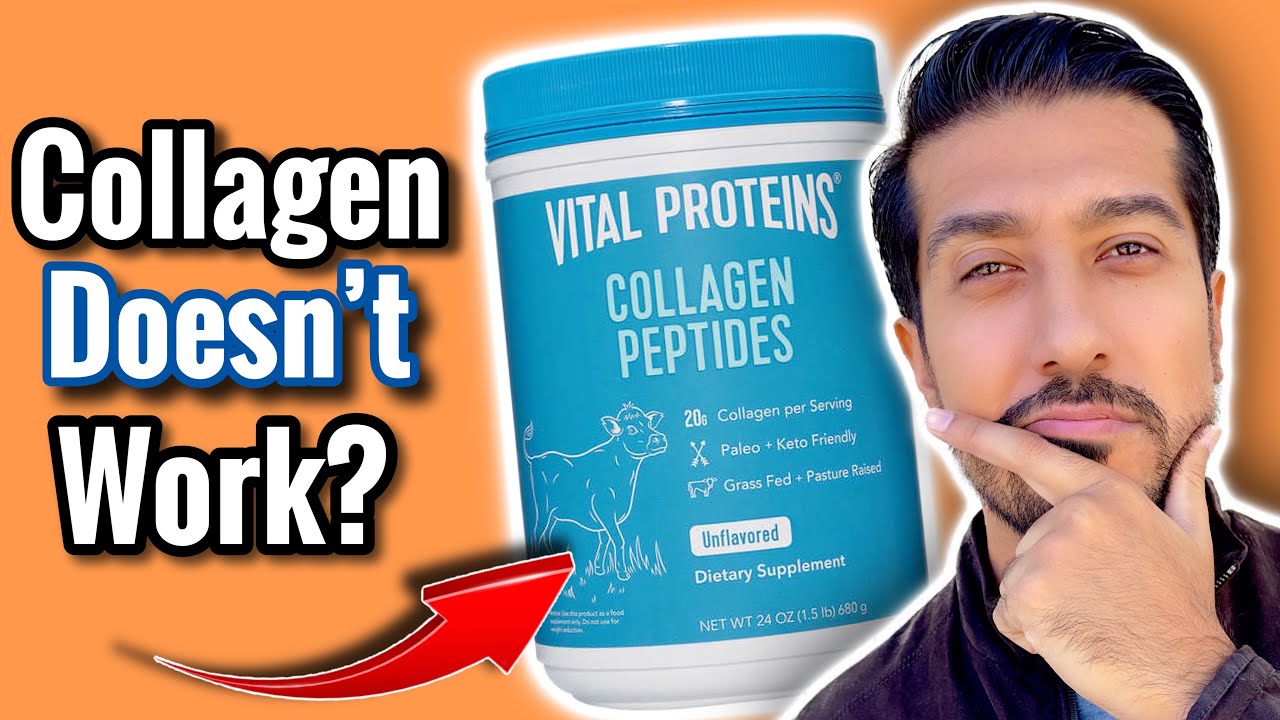
Action steps right now: choose a hydrolyzed collagen peptide powder, set a realistic calorie deficit, raise total protein to at least 1.6 g/kg/day, and log your results over 12 weeks. That will reveal whether collagen delivers benefits for you beyond the background effects of better training and nutrition.